
The Importance of Regular Maintenance for Construction Machinery
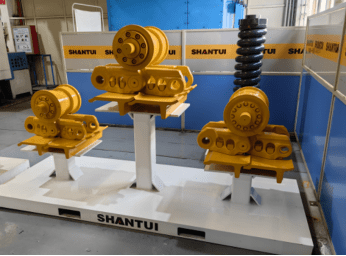
Introduction Regular maintenance is essential for ensuring the reliability, safety, and efficiency of construction machinery. 📄 Content Heavy equipment such as excavators, bulldozers, and wheel loaders operates in demanding environments. Without proper maintenance, even the most advanced machines can experience reduced performance and unexpected breakdowns. Routine maintenance includes checking engine systems, hydraulic components, and undercarriage […]
Choosing the Right Excavator for Your Project
Introduction
Selecting the right excavator is essential for achieving efficiency and cost-effectiveness in construction and mining projects.
📄 Content
Excavators come in various sizes and configurations, each designed for specific applications. Choosing the correct model depends on project scale, working conditions, and operational requirements.
Mini excavators, such as compact models, are ideal for urban construction and small-scale projects due to their flexibility and maneuverability.
Medium excavators, like the SE200, offer a balance between power and efficiency, making them suitable for general construction, road building, and infrastructure projects.
Large mining excavators, such as the SE2000, are designed for heavy-duty operations. They provide high digging force, large bucket capacity, and durability for continuous operation in extreme environments.
Other factors to consider include fuel efficiency, maintenance costs, and operator comfort. Modern excavators are equipped with advanced hydraulic systems and ergonomic cabins to improve productivity.
How to Extend the Service Life of Undercarriage Parts
Introduction
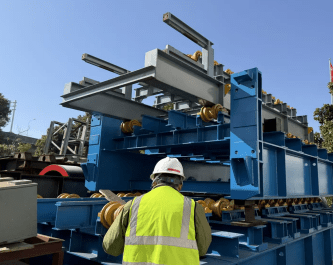
Undercarriage components such as track rollers, carrier rollers, sprockets, and track chains are among the most critical and expensive parts of crawler machinery. Proper maintenance can significantly extend their service life and reduce operating costs.
📄 Content
The undercarriage system typically accounts for up to 50% of total machine maintenance costs. Therefore, optimizing its lifespan is essential for improving overall equipment efficiency.
First, regular inspection is key. Operators should check for abnormal wear, loose bolts, and oil leakage. Early detection of issues can prevent major failures.
Second, proper track tension must be maintained. Over-tightened tracks increase wear on rollers and sprockets, while loose tracks may lead to derailment. Adjusting tension according to working conditions is crucial.
Third, working habits matter. Avoiding sharp turns, excessive speed, and operating on extremely rough terrain can reduce unnecessary stress on components.
Finally, regular cleaning helps prevent dirt and debris from accelerating wear. Mud and stones trapped in the undercarriage can significantly reduce component lifespan.